
Library / Nature & Geography
Gloriosa Superba
Gloriosa superba, Zimbabwe's national flower, becomes the starting point for a scarf built around the structure of the flame lily, the plants and birds associated with it, and the figure of Kasere.
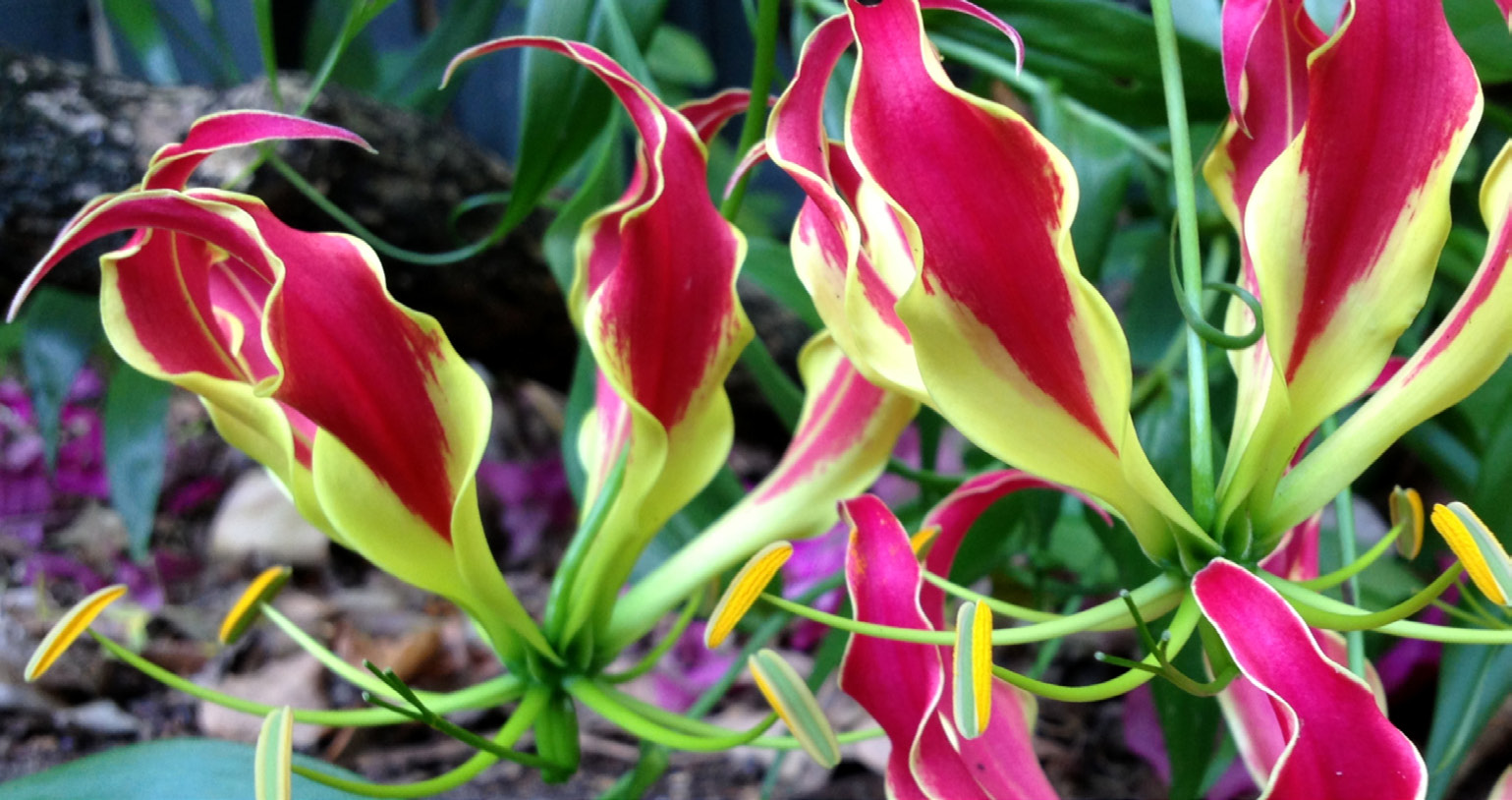
The Source
Gloriosa superba, commonly known as the flame lily, is Zimbabwe's national flower. It grows as a climbing plant across the country. Its petals reflex upward and backward, creating the form that gives the flower its visual force. The colour changes along the petal: yellow at the base moves through orange and red toward a crimson tip.
That change is important to the design. The flower is not used as a small emblem placed on an otherwise unrelated pattern. Its direction, curvature and colour movement provide the first set of instructions for the composition. Within Collection 1, the flame lily represents Zimbabwe through a plant that is both nationally identified and physically distinctive.
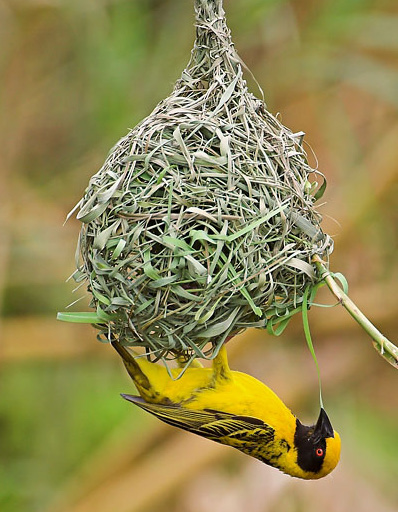
The surrounding species place the flower in a wider field. The design includes the Zimbabwe trumpet vine, lion's ear, sugarbirds and village weavers, all associated with the flame lily's habitat. These elements keep the source connected to the plant's environment rather than isolating it as a single specimen.
The Design
The flower controls the composition; the bird figure is part of the arrangement around it. At the centre of the scarf, the Tammarê icon appears in navy and gold, with Kasere perched on it. Kasere is an original Tammarê bird figure whose crest and plumage take their visual direction from the shape of the flame lily's reflexed petals.
Two village weavers appear on opposite sides of the composition. One stands beneath an almost completed nest. The other is still building. Their different stages introduce an action into the pattern without turning the scarf into a narrative scene. Vines connect the flowers, birds and insects across a warm ivory ground, and a dark navy border holds the composition in place.
The palette follows the flower's own movement: reds, oranges and yellows are set against deep greens, with the navy icon and border providing a firm counterpoint. The result keeps the source legible at a distance while allowing the smaller species and the nest-building figures to appear as the scarf is examined more closely.
The Context
The design developed from an earlier scarf Rodwin created under his previous label. It was adapted for the launch of Tammarê, so the source belongs to an earlier stage of the designer's practice while the final arrangement belongs to Collection 1.
Kasere also appears in a separate cross-stitch work presented alongside the collection. The figure therefore operates across more than one object: on the scarf, Kasere sits within a botanical composition; in the cross-stitch work, the character is given a separate textile form.