
Library / Civilizations & Symbols
PaEastgate
PaEastgate uses Harare's Eastgate Centre, a building known for its termite-mound-inspired ventilation system, to connect contemporary architecture, street commerce and the movement of people and vehicles through the city.
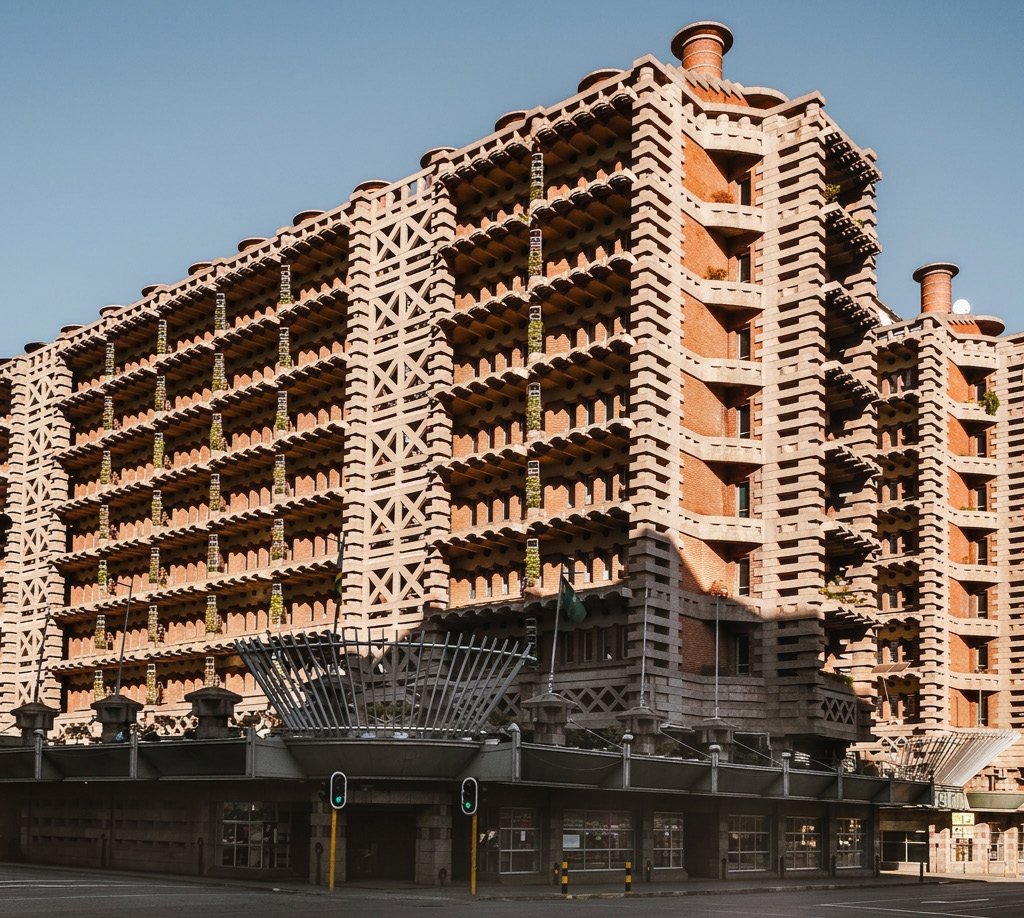
The Source
The Eastgate Centre is a mixed-use building in central Harare, completed in 1996. Its ventilation and cooling system was modelled on the self-regulating airflow of termite mounds. This allowed the building to operate without conventional air conditioning and to use significantly less energy than comparable buildings in the city.
Eastgate was among the first buildings in the world to apply this kind of biomimicry at scale. It remains a widely cited example of translating a natural system into architecture. Within Collection 1, the building represents contemporary Zimbabwean architecture and engineering. The source is not only the façade; it is the system of airflow and the decision to apply that system to a working building in Harare.
The Design
The composition combines the Eastgate Centre, street life in Harare and references to termite-mound ventilation in one illustrated scene. The building appears as a floating island framed by a ribbon carrying the Tammarê name.
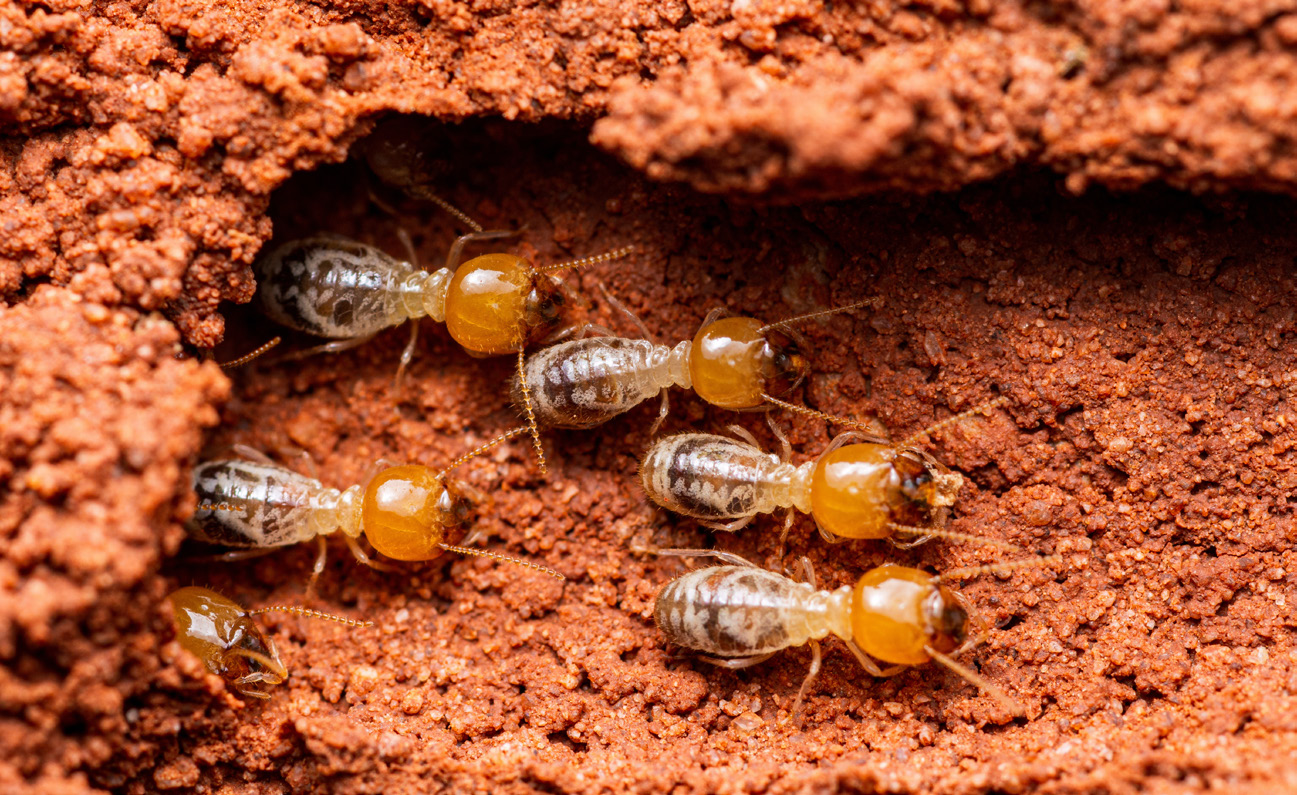
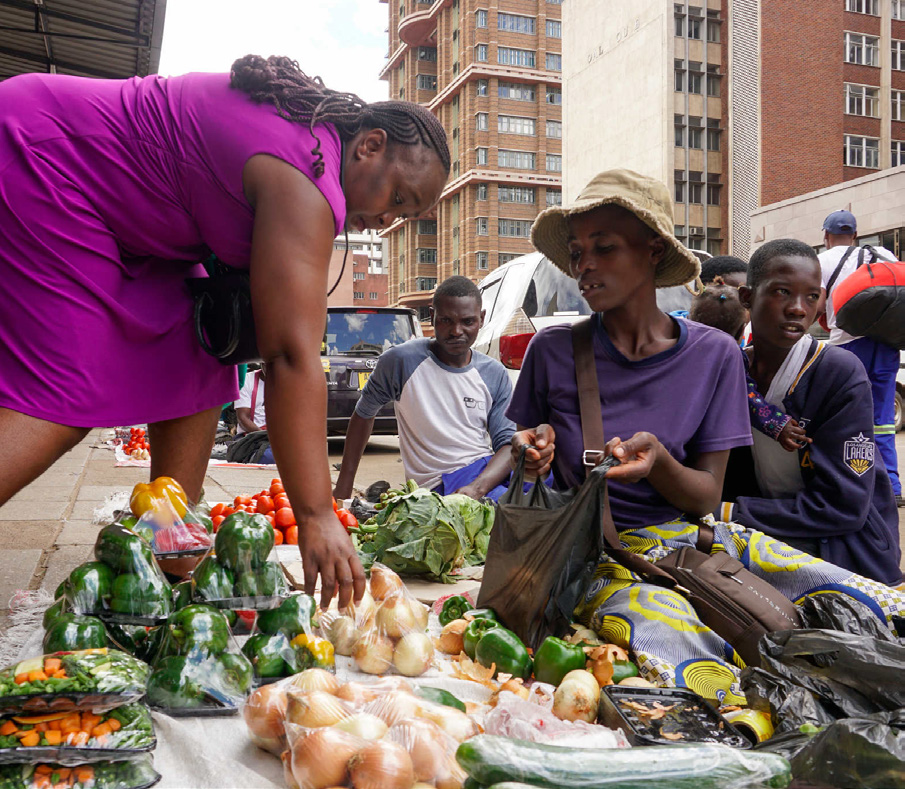
The upper section shows the façade with its chimneys, balconies and plantings. At street level, vendors, carts, fruit sellers and pedestrians move through the scene. The underground section refers to the ventilation system associated with termite mounds while also showing the workers and infrastructure that support daily life in the city.
The lower section creates a reflection between termite workers underground and human workers maintaining the city above. The image places two systems of collective labor beside each other: termites maintaining the conditions of the mound, and people maintaining the conditions of urban life.
The City Above
In Zimbabwean speech, a fast-driven car is said to be “flying.” The design renders that expression literally. A winged Mushikashika, the informal taxis known for speed, overloading and outrunning police, crosses the sky. A kombi descends by paraglider. A third car trails a line of clothes for sale, echoing the way street vendors string their stock across the city.
These vehicles keep the building from becoming a detached architecture study. They place Eastgate inside a city with its own expressions, transport systems, informal trade and daily improvisations. The scene moves from the building's ventilation section to the street and then into the sky, but each level remains connected to Harare.
The Context
The object is titled PaEastgate; its source is the Eastgate Centre in Harare. The building is the contemporary architectural source, the termite mound provides the natural system, and the city supplies the people, vehicles and forms of trade that make the illustration specific to Harare.